Tracking Shifts in Participation Across Digital Reward Platforms
Ulrich Washington · Aug 24, 2026
Tracking Shifts in Participation Across Digital Reward Platforms
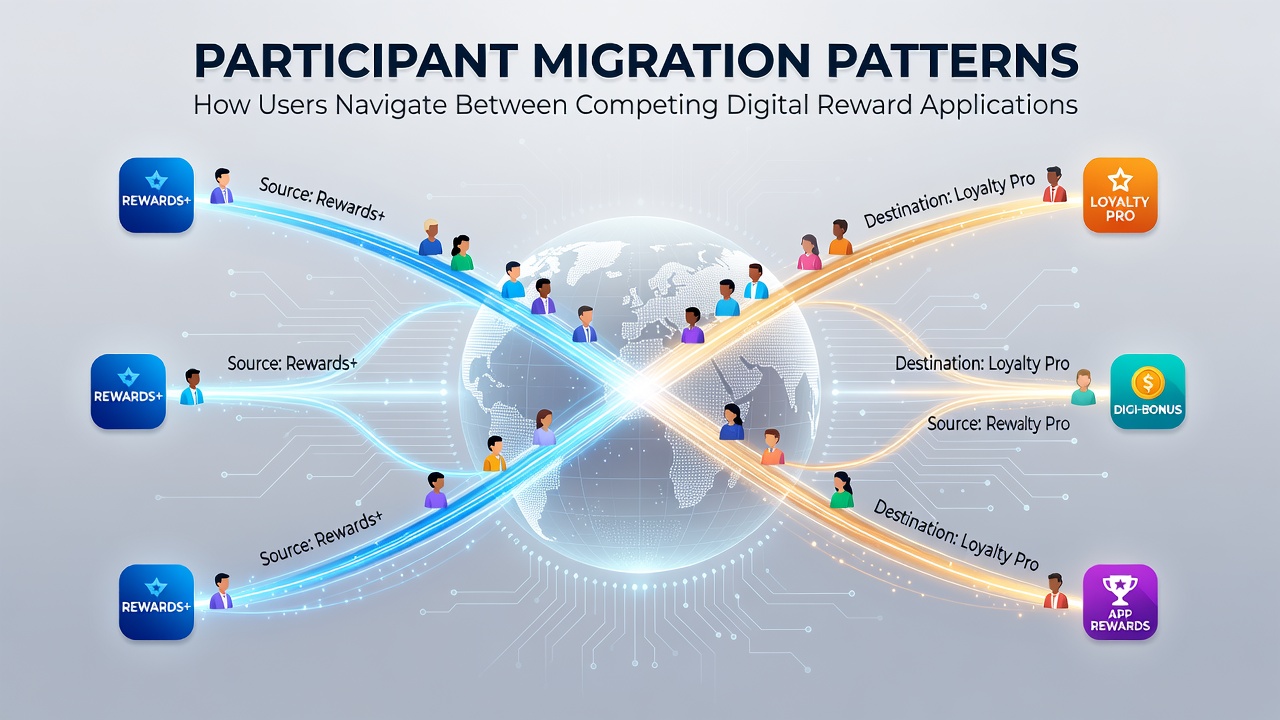
Digital reward applications have expanded rapidly in recent years, and participants frequently move between platforms as they seek better opportunities or adjusted qualification rules. Observers note that these transitions follow identifiable patterns driven by notification timing, entry requirements, and cross-platform data visibility. Research from multiple regions shows that users rarely remain locked into a single application for extended periods, and instead they coordinate activities across several services simultaneously.
Core Drivers Behind Platform Transitions
Eligibility windows and alert systems play central roles in prompting movement, since participants often monitor multiple notification feeds to identify the most accessible entry points at any given moment. Data collected through industry reports indicates that time zone differences further influence these decisions, particularly when platforms operate across international boundaries. According to analyses from the Australian Competition and Consumer Commission, regional policy variations create distinct qualification timelines that encourage users to shift focus toward platforms with more favorable windows during specific hours.
Community coordination also shapes migration behavior, as groups share eligibility confirmations and track collective progress toward recurring events. Those who've studied these networks report that shared spreadsheets and messaging channels help participants align their entries without duplicating efforts across competing services. This approach reduces overlap and allows individuals to allocate time more efficiently between applications.
Observed Patterns in User Navigation
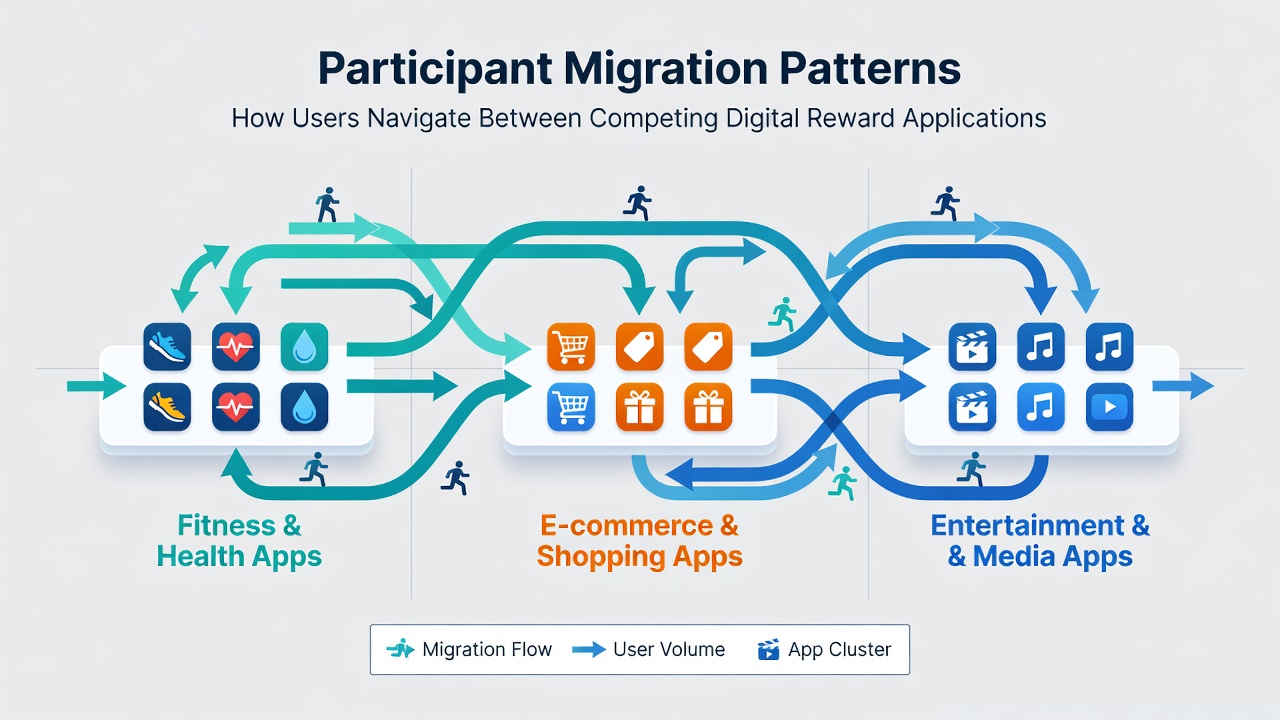
Studies reveal that initial adoption often begins with one or two prominent platforms, yet within weeks many participants expand their activity to include additional options. Figures from academic research published by the University of Toronto demonstrate that notification fatigue prompts selective disengagement from certain apps, while sustained engagement continues with services that provide clearer real-time updates. People frequently return to previously abandoned platforms when new prize structures or simplified verification steps appear.
Cross-platform data flows contribute significantly to these cycles, since eligibility information from one application can inform decisions about timing on another. In August 2026, platform operators introduced enhanced API integrations that allowed users to view consolidated qualification status across multiple services, and this development accelerated migration rates as participants gained visibility into overlapping opportunities. The change reduced redundant entries while increasing overall activity volume on interconnected systems.
Geographic and Regulatory Influences
Policy differences across jurisdictions create additional layers of complexity for participants who operate in multiple regions. Canadian regulatory frameworks emphasize transparent disclosure of entry limits, which affects how users sequence their activities compared to systems operating under European Union guidelines. Those monitoring these variations document that participants adjust their navigation strategies based on the strictest applicable rules when platforms serve global audiences.
Industry organizations such as the Interactive Gaming Council have published reports showing that leaderboard positioning correlates with entry volume spikes during coordinated events, and users migrate toward platforms where their accumulated activity yields higher visibility. These movements tend to cluster around recurring draw schedules rather than isolated prize announcements.
Verification and Eligibility Coordination
Layered verification processes require participants to maintain accurate profiles across applications, and this administrative burden influences which platforms retain long-term engagement. Research indicates that services offering streamlined confirmation steps experience lower churn rates, while those with repetitive checks see users redirect efforts elsewhere. Observers have documented cases where individuals maintain parallel accounts solely to compare verification timelines and select the most responsive option for each entry cycle.
Real-time alerts serve as the primary trigger for these shifts, allowing participants to respond quickly when one platform releases new qualification windows. The integration of collaborative monitoring tools has further streamlined this process, enabling groups to divide coverage of multiple services without individual overload.
Conclusion
Participant migration between digital reward applications reflects a combination of technical features, regulatory environments, and collective coordination practices. Data from various sources continues to show that these patterns evolve alongside platform updates and policy changes, with users adapting their navigation methods to maximize access across competing systems. Continued observation of these flows provides insight into how eligibility mechanisms and notification designs shape overall engagement in the digital rewards space.