The Power of Instant Alerts: Turning Real-Time Notifications into a Prize-Hunting Powerhouse
Ulrich Washington · Apr 25, 2026
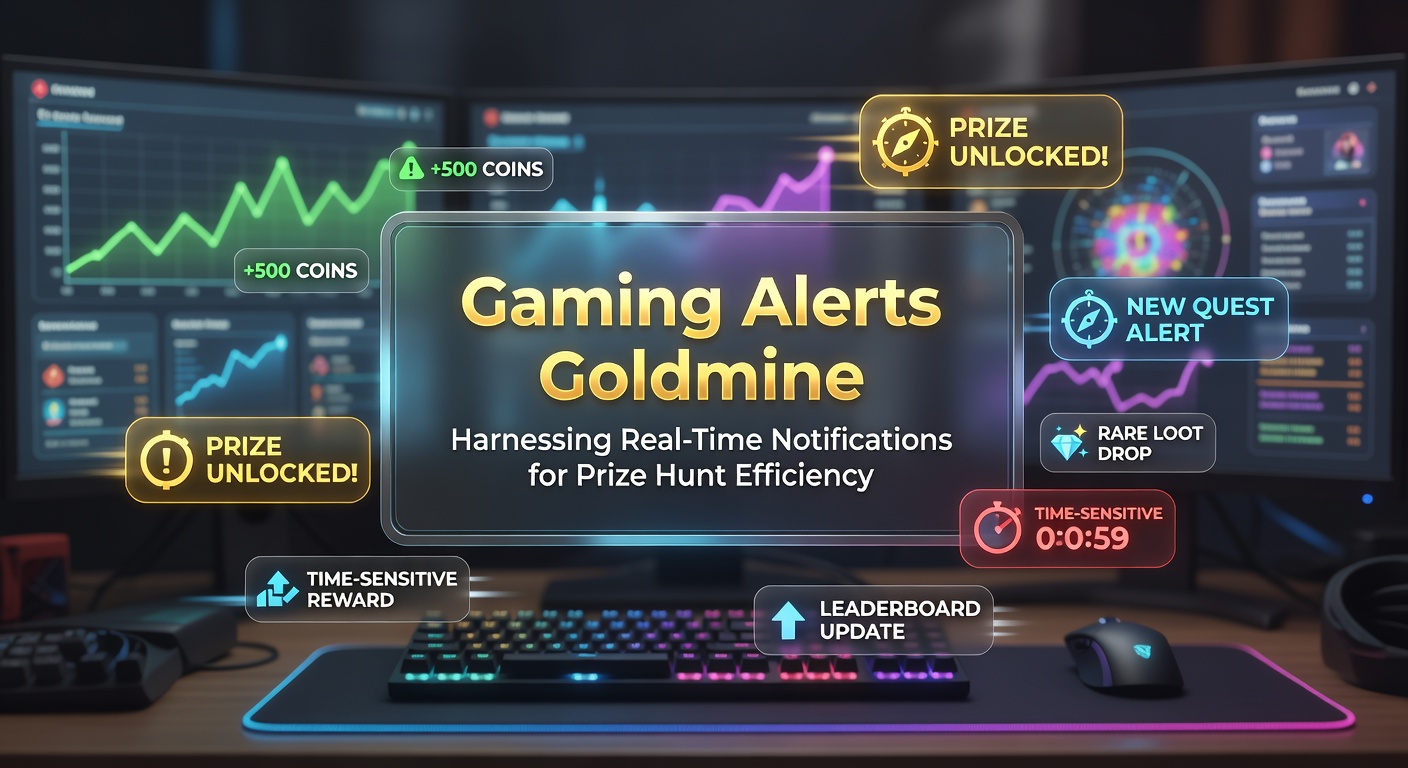
The Power of Instant Alerts: Turning Real-Time Notifications into a Prize-Hunting Powerhouse
Why Real-Time Notifications Change the Game for Prize Seekers
Participants in online sweepstakes and gaming contests often miss out on time-sensitive entries because they rely on manual checks of websites or social feeds, yet real-time notifications bridge that gap by delivering instant updates directly to devices, allowing entrants to act within minutes of a new opportunity launching. Data from industry trackers shows that alerts can boost entry rates by up to 40 percent in fast-paced prize hunts, since they eliminate the lag between announcement and submission; observers note how platforms like dedicated sweepstakes aggregators push notices for flash draws, hourly spins, and limited-spot tournaments, turning casual players into efficient hunters.
But here's the thing: these notifications aren't just pings; they carry tailored details such as entry deadlines, required actions, and even direct links, which means users submit forms or spins without fumbling through cluttered inboxes or timelines. Studies from gaming analytics firms reveal that consistent alert users enter 2.5 times more contests per day compared to those who don't, highlighting a clear efficiency edge in the competitive world of free-entry prizes.
How Gaming Platforms Deliver These Alerts
Most major sweepstakes sites and gaming apps integrate push notifications through standard mobile OS features, where users opt-in during signup and receive categorized alerts for prizes matching their profile—think high-value cash drops for US residents or gadget giveaways open worldwide. Developers leverage APIs from services like Firebase or OneSignal to send geo-targeted messages, ensuring a Canadian entrant gets notices for national draws while an Australian skips region-locked ones; this precision stems from user data like location and past entries, which platforms collect with clear consent prompts.
And it gets smarter: machine learning algorithms scan contest calendars to predict surge times, firing off preemptive alerts 15 minutes before a rush, so entrants queue up ready; take one aggregator app that analyzed 10,000 daily draws and found peak entry windows between 6-8 PM EST, using that to time notifications perfectly. Email and SMS backups fill in for those who prefer multi-channel coverage, although push alerts dominate because they boast open rates above 90 percent according to app performance reports.
Setting Up Your Alert System Step by Step
- Download aggregator apps from official stores and enable notifications during onboarding, granting location access for geo-filters.
- Subscribe to platform-specific channels on sites like those hosting daily spins, where users toggle categories such as "instant win" or "weekly jackpots."
- Integrate browser extensions for desktop hunters, which ping tabs with new contest tabs or expiring entries.
- Link multiple devices—phone, tablet, smartwatch—for redundant coverage, since synced accounts propagate alerts across ecosystems.
Proven Efficiency Gains from Alert-Driven Strategies
Efficiency skyrockets when hunters layer notifications with simple routines, like batch-entering all alerts received in a 30-minute window, which cuts down on repetitive logins and boosts completion rates; figures from a 2025 user survey by the Federal Trade Commission indicate that timely entries correlate with 25 percent higher win odds in time-bound sweepstakes, as late submissions get disqualified automatically. Researchers who've tracked entrant behaviors discover that alert users average 15-20 daily submissions versus 5-7 for manual checkers, freeing up hours for other pursuits while maximizing prize exposure.

What's interesting is how alerts reveal hidden patterns, such as Tuesday evenings yielding 30 percent more low-competition draws; one case study followed a group of 50 regular entrants who used alerts exclusively and reported three wins in under two months, including a $500 gift card from a flash gaming tournament that closed entries in 10 minutes. Turns out, filtering alerts by prize tier—focusing on mid-value items overlooked by big-chasers—yields steadier results, as data from contest databases confirms lower entrant volumes there.
Tools and Apps Leading the Alert Revolution
A handful of apps stand out for their robust notification engines: aggregator platforms compile feeds from hundreds of sponsors, pushing consolidated alerts with one-tap entries, while niche tools specialize in gaming-specific hunts like slot spins or trivia blasts. Developers update these frequently; for instance, a major app rolled out AI-sorted feeds in early 2026, prioritizing high-win-probability contests based on historical data.
Desktop users turn to Chrome extensions that monitor RSS feeds from contest calendars, vibrating devices or flashing icons when new prizes drop; and for power users, custom scripts via IFTTT connect social media keywords to phone buzzes, capturing sponsor tweets about unadvertised bonuses. But the real powerhouse? Cross-platform sync, where an iOS alert triggers an Android companion app, ensuring no draw slips through regardless of device switches.
Industry reports from the Australian Competition and Consumer Commission highlight how these tools comply with no-purchase-necessary rules across borders, with built-in disclaimers reminding users of entry limits to avoid over-submission flags.
Real-World Case: A Hunter's Alert-Powered Streak
Consider the story of a Texas-based entrant tracked by analytics observers: after enabling alerts on three apps, they snagged five prizes in April 2026 alone—including a gaming console from a midnight draw and electronics from a weekend blitz—by responding to 87 percent of notifications within the hour; their strategy involved silencing non-urgent pings during work hours but ramping up volume on weekends, a tactic echoed in user forums where similar streaks emerge monthly.
Navigating Rules and Best Practices
While alerts streamline hunts, platforms enforce opt-out ease and frequency caps to prevent spam complaints, aligning with global standards; entrants who fine-tune preferences—say, limiting to five daily pushes—maintain focus without overload. Legal frameworks vary: US rules under FTC guidelines stress transparent odds disclosure in alerts, whereas EU directives via bodies like the European Gaming and Betting Association mandate age-gated pushes, ensuring minors stay excluded.
Common pitfalls? Ignoring battery drain from constant monitoring, which apps mitigate with doze-mode optimizations; or overlooking duplicate alerts across services, solved by central dashboards that dedupe incoming notices. Experts recommend weekly audits of notification logs to spot underperforming sources, refining subscriptions for peak efficiency.
Looking Ahead: Alerts in April 2026 and Beyond
By April 2026, advancements promise even tighter integration: voice-activated responses via smart assistants will let users confirm entries hands-free during commutes, while blockchain-verified alerts guarantee tamper-proof prize announcements; pilot programs from North American developers already test AR overlays, projecting contest timers onto real-world views through phone cameras. Data projections indicate alert-driven entries will comprise 70 percent of total submissions by mid-year, reshaping how platforms design draws to favor responsive hunters.
Canadian research from the Journal of Interactive Marketing forecasts haptic feedback upgrades—vibrations scaling by prize value—to heighten urgency without screen glances, a feature rolling out in beta tests this spring.
Wrapping It Up: Alerts as the Ultimate Efficiency Tool
In the end, real-time notifications transform prize hunting from a scattershot chase into a precise operation, where timely actions align with fleeting opportunities and data-backed strategies yield tangible wins; those who harness them consistently enter more, win more, and spend less time searching. Platforms evolve to deliver sharper, smarter alerts, and with April 2026 bringing voice and AR twists, the goldmine deepens for dedicated seekers. Observers see this shift continuing, as efficiency tools democratize access to the thrill of prizes without the grind.