The Interplay Between App Update Cycles and Eligibility Windows in Incentive-Based Gaming Ecosystems
Katja Günther · Jul 18, 2026
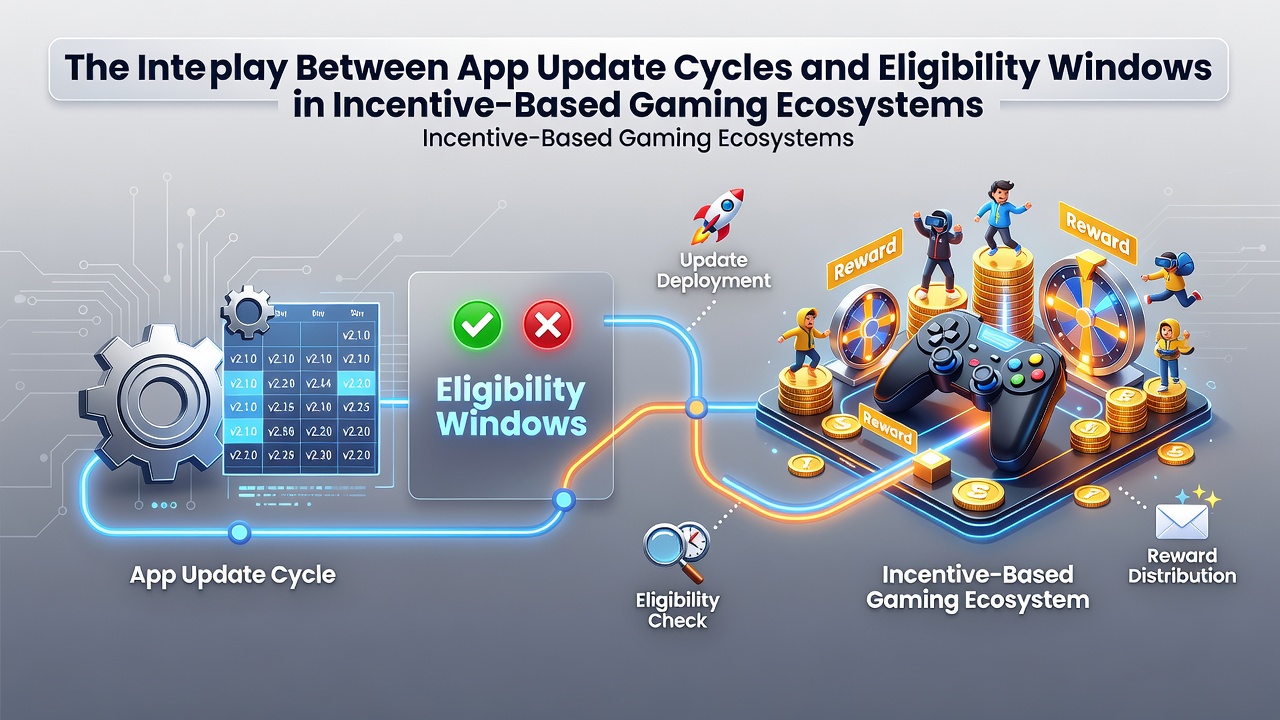
The Interplay Between App Update Cycles and Eligibility Windows in Incentive-Based Gaming Ecosystems
App update cycles and eligibility windows intersect in ways that shape how users participate in incentive-based gaming platforms, where developers release new versions to fix bugs or add features while platforms adjust entry periods based on those same technical changes. Developers often push updates every few weeks, and these releases can reset or extend qualification timelines because older app versions may no longer meet system requirements for prize entries. Research indicates that synchronization between these two elements affects participation rates across global user bases, particularly when platforms enforce version checks at the point of entry submission.
Mechanics of App Update Cycles
App stores approve and distribute updates according to internal review processes that typically span several days, yet developers coordinate these releases with backend changes to eligibility logic in order to maintain consistency. When an update introduces new authentication methods or security patches, eligibility windows for daily or recurring rewards often shift to align with the new code, which prevents older versions from submitting entries after a cutoff date. Observers note that this pattern appears regularly in ecosystems where multiple regions operate under different store policies, creating staggered rollout schedules that users must navigate through notifications and version prompts.
Data from industry tracking shows that major platforms conduct between twelve and eighteen significant updates annually, and each cycle carries implications for how long a given eligibility window remains open. Users who delay updates risk missing shortened windows because the system detects outdated clients and blocks submissions until the latest version installs. Those who've studied these systems know that developers sometimes bundle eligibility adjustments directly into the update payload, which means the release itself functions as both a technical improvement and a policy enforcement tool.
Eligibility Windows and Their Structure
Eligibility windows define the precise periods during which users can submit entries for rewards, and these intervals respond to both scheduled events and reactive adjustments triggered by app changes. Platforms set windows that range from hourly bursts to multi-day spans, yet they frequently compress or extend these periods when an update alters data collection or verification protocols. According to figures from the Mobile Ecosystem Forum, verification steps tied to app versions account for a measurable portion of entry denials each month, demonstrating how tightly the two systems connect.
Regional differences further complicate the picture, since stores in the European Union apply stricter data protection standards that can delay updates compared with faster rollouts in other markets. This creates uneven eligibility access for users across borders, where one group gains early access to refreshed windows while another waits for approval. Experts have observed that platforms compensate by publishing clear version requirements in advance, allowing participants to prepare installations before windows open or close.
How Updates Directly Shape Eligibility Access
The relationship becomes clearest when an update introduces mandatory server-side checks that older clients cannot complete, effectively terminating eligibility for those versions mid-window. Developers release patches that include these checks because they address vulnerabilities or standardize data formats across devices, and eligibility systems then inherit the new rules without separate announcements. Research from the University of Melbourne's Digital Futures Lab reveals that such integrated changes reduce invalid entries by significant margins while simultaneously requiring users to maintain current software to stay eligible.
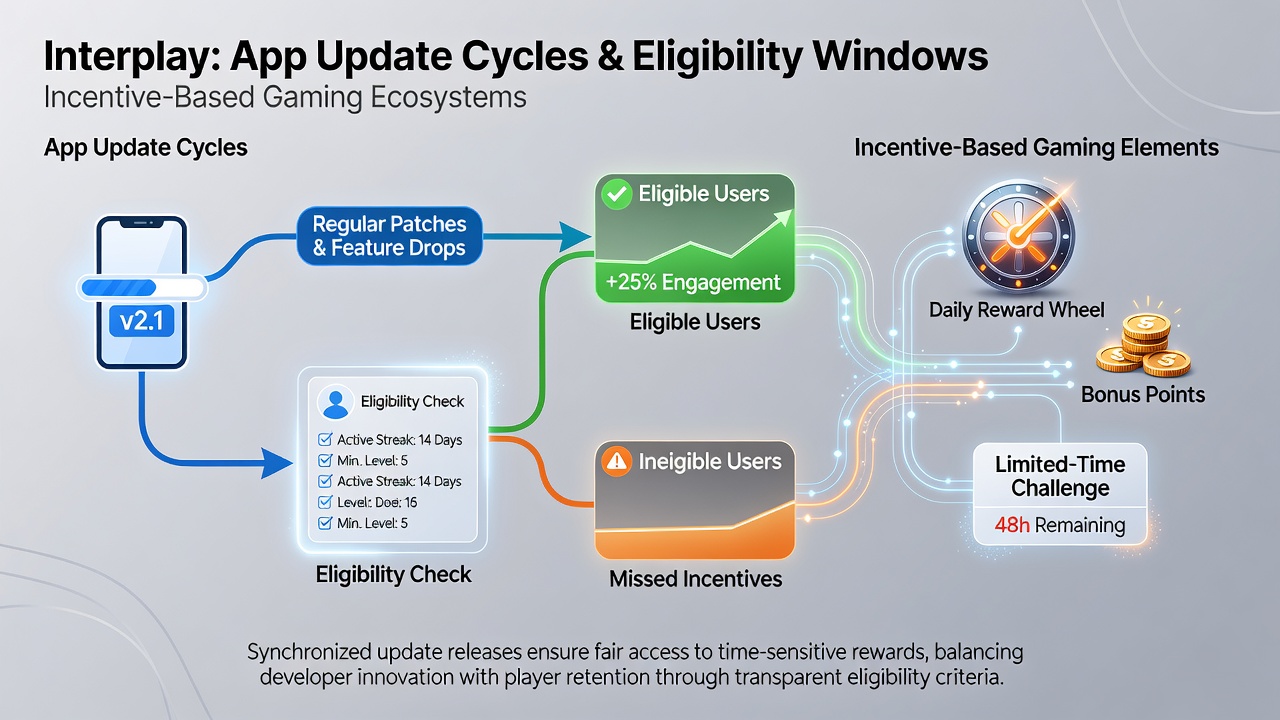
Platforms sometimes announce extended windows immediately after a major update to offset temporary disruptions caused by installation times, and this practice helps maintain steady participation levels. Data collected across multiple services indicates that users who install updates within the first twenty-four hours after release maintain higher entry success rates than those who wait longer. The interplay therefore rewards proactive maintenance while penalizing delay through lost opportunities rather than explicit penalties.
Developments Observed in July 2026
July 2026 brought several coordinated updates across leading incentive platforms that adjusted eligibility logic to accommodate new device authentication standards, resulting in compressed windows for some regions and extended ones for others depending on rollout speed. Reports compiled during that period show that platforms using phased releases managed to keep overall participation stable even as individual users experienced brief gaps. Those monitoring cross-border activity noted that time zone differences amplified the effects, since users in earlier time zones encountered new requirements before later regions received the same update.
Industry analyses from that month also highlighted how certain platforms introduced fallback mechanisms allowing limited eligibility through web interfaces when app updates lagged, which provided continuity while users completed installations. Such adaptations demonstrate how operators respond to the technical realities of update cycles without sacrificing the integrity of eligibility enforcement.
Conclusion
The connection between app update cycles and eligibility windows continues to evolve as platforms refine their technical and policy frameworks in response to regulatory expectations and user behavior patterns. Data shows that clear communication of version requirements alongside update releases supports smoother transitions, while regional coordination remains essential for global services operating across varied store environments. Those tracking these systems find that the interplay ultimately determines access patterns more than either element alone, shaping participation in measurable ways across the ecosystem.