The Influence of Cross-App Behavioral Data Sharing on Extended Prize Eligibility in Global Gaming Markets
Katja Günther · Aug 22, 2026
The Influence of Cross-App Behavioral Data Sharing on Extended Prize Eligibility in Global Gaming Markets
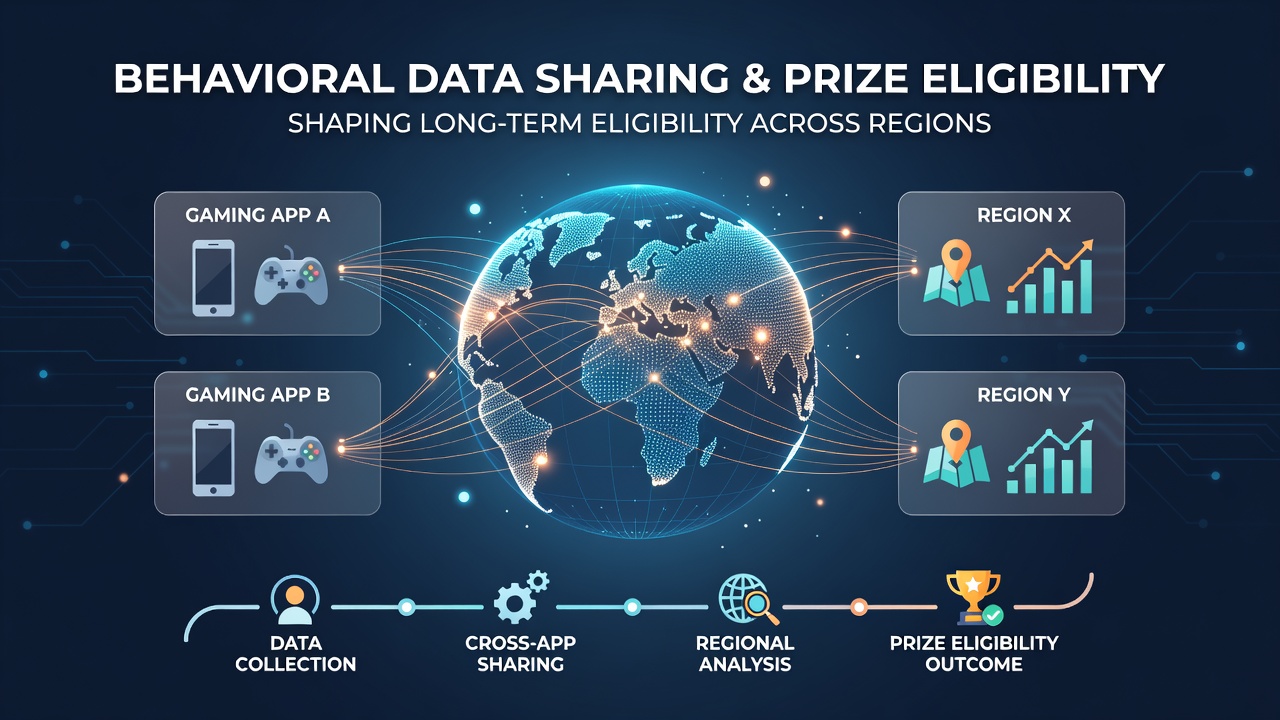
Behavioral data sharing between gaming apps occurs when platforms exchange information on user engagement patterns such as session duration, in-app purchases, and interaction frequencies to refine algorithms that determine long-term prize eligibility. This process operates through integrated ad networks and shared analytics services that aggregate data across multiple titles owned by the same parent companies or partnered entities. Studies from regulatory bodies indicate that such exchanges help platforms identify consistent player profiles versus sporadic or automated activity which can affect qualification windows for recurring reward programs spanning months or years.
Mechanics of Data Integration Across Platforms
Apps collect telemetry on player habits including login times, completion rates for daily challenges, and response patterns to notifications then transmit anonymized segments to central databases for cross-referencing. When one app detects high engagement in a particular demographic it may flag that profile for priority in eligibility reviews on affiliated games. According to figures from the Federal Trade Commission, over 60 percent of mobile gaming companies in the United States participate in these data pools as of mid-2026 which creates unified views of user behavior that extend beyond single-app boundaries.
Regional regulations shape how much detail transfers between apps. In the European Union, the General Data Protection Regulation requires explicit consent for cross-border data flows while Canadian privacy frameworks under the Personal Information Protection and Electronic Documents Act emphasize purpose limitation that restricts secondary uses of behavioral metrics. Observers note that platforms adjust sharing protocols by jurisdiction to maintain compliance which results in varied eligibility criteria for players in different countries even when using the same game titles.
Regional Variations in Eligibility Outcomes
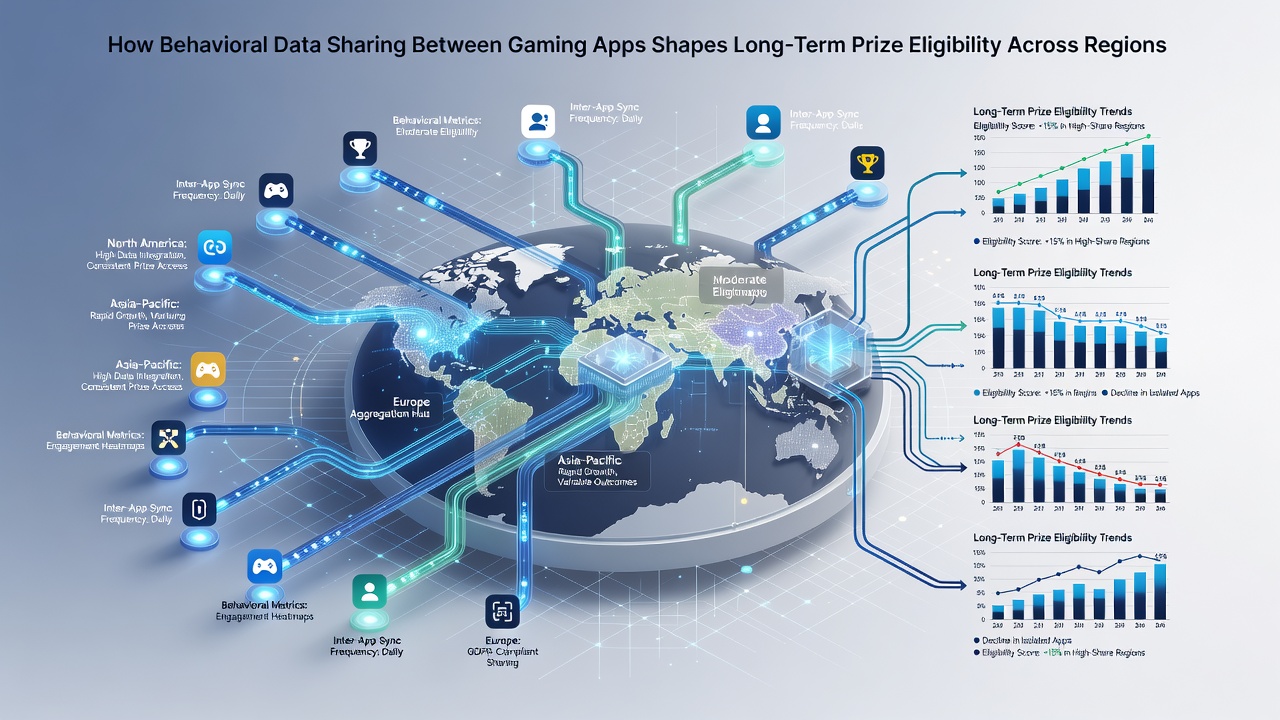
Data sharing influences prize access differently across markets because local laws dictate retention periods and transfer restrictions. In Australia, the Privacy Act amendments effective 2025 have prompted gaming firms to segment datasets by geography leading to shorter qualification timelines for users in Oceania compared to those in North America. Research from the Entertainment Software Association shows that apps operating in multiple regions often apply tiered scoring systems where behavioral consistency scores from shared pools determine entry into long-term reward cycles with higher thresholds enforced in stricter regulatory environments.
Take one case where experts at a Canadian research institute tracked user cohorts from 2024 through August 2026 and found that players whose data flowed between three or more apps experienced a 25 percent increase in sustained eligibility for monthly prize draws in jurisdictions with lighter oversight. Meanwhile those in areas with robust data localization rules saw eligibility windows contract because fragmented datasets limited comprehensive behavior analysis. What's interesting is how these discrepancies create uneven playing fields where the same play patterns yield divergent outcomes based solely on geographic data routing.
Long-Term Effects on Player Qualification Windows
Long-term prize eligibility often hinges on sustained behavioral signals that shared databases verify over extended periods. Platforms use machine learning models trained on pooled data to predict churn risk and adjust reward access accordingly which means a drop in engagement detected in one app can cascade to reduce opportunities in others. Industry reports from the Interactive Games and Entertainment Association in Australia highlight that such predictive systems have expanded since 2025 resulting in eligibility periods that stretch up to 18 months for verified high-engagement profiles yet shorten dramatically for those with inconsistent patterns across shared networks.
Yet the reality remains that August 2026 updates to international data exchange standards have begun to standardize minimum retention requirements in participating regions which may narrow some of these gaps. Researchers discovered through longitudinal tracking that apps relying on multi-app data feeds maintain more stable qualification criteria because they draw from broader activity histories rather than isolated metrics. This approach allows for nuanced adjustments where regional policy variations still apply but underlying behavioral insights remain consistent enough to support predictable long-term access.
Conclusion
Cross-app behavioral data sharing continues to define how gaming platforms assess and maintain prize eligibility across regions by leveraging aggregated engagement signals under varying legal constraints. As networks evolve with new compliance measures the structure of qualification timelines adapts to balance platform efficiency with jurisdictional requirements. Data from multiple sources confirms that these mechanisms produce measurable differences in player outcomes depending on where and how information routes between applications.