Shifting User Engagement Patterns During Major Global Events in Prize-Focused Mobile Platforms
Morgan Zimmermann · Jun 20, 2026
Shifting User Engagement Patterns During Major Global Events in Prize-Focused Mobile Platforms
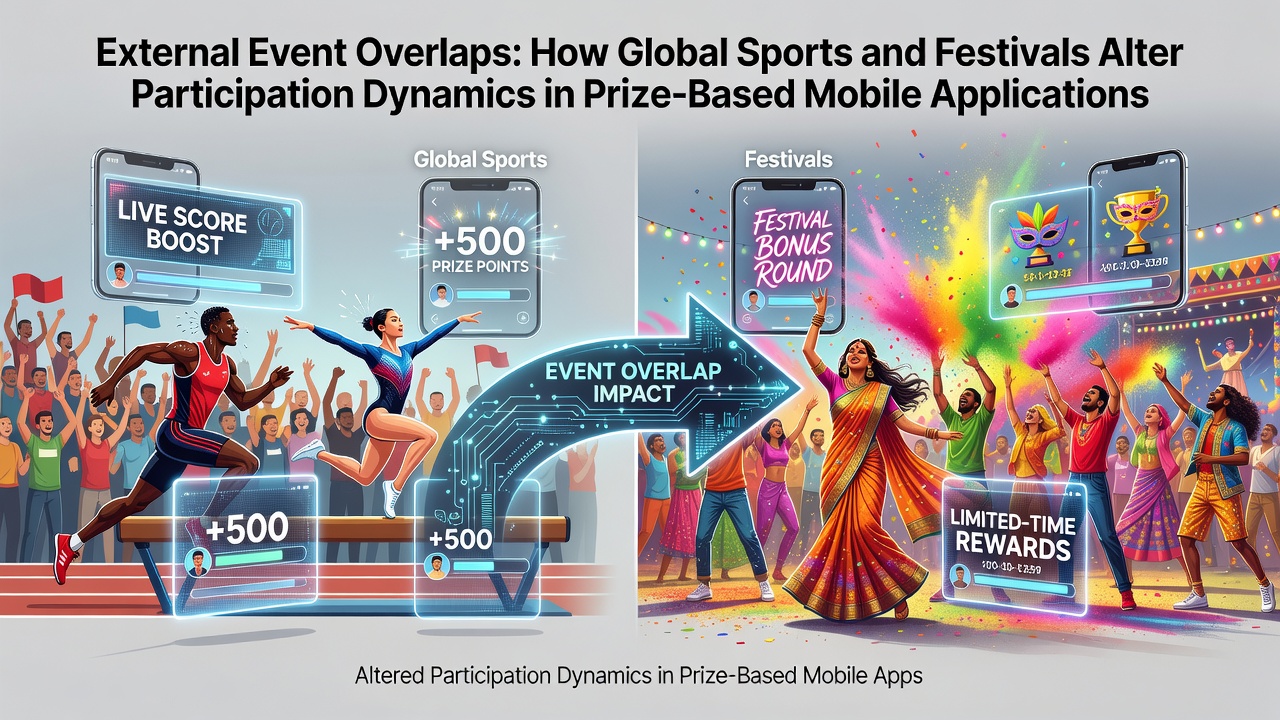
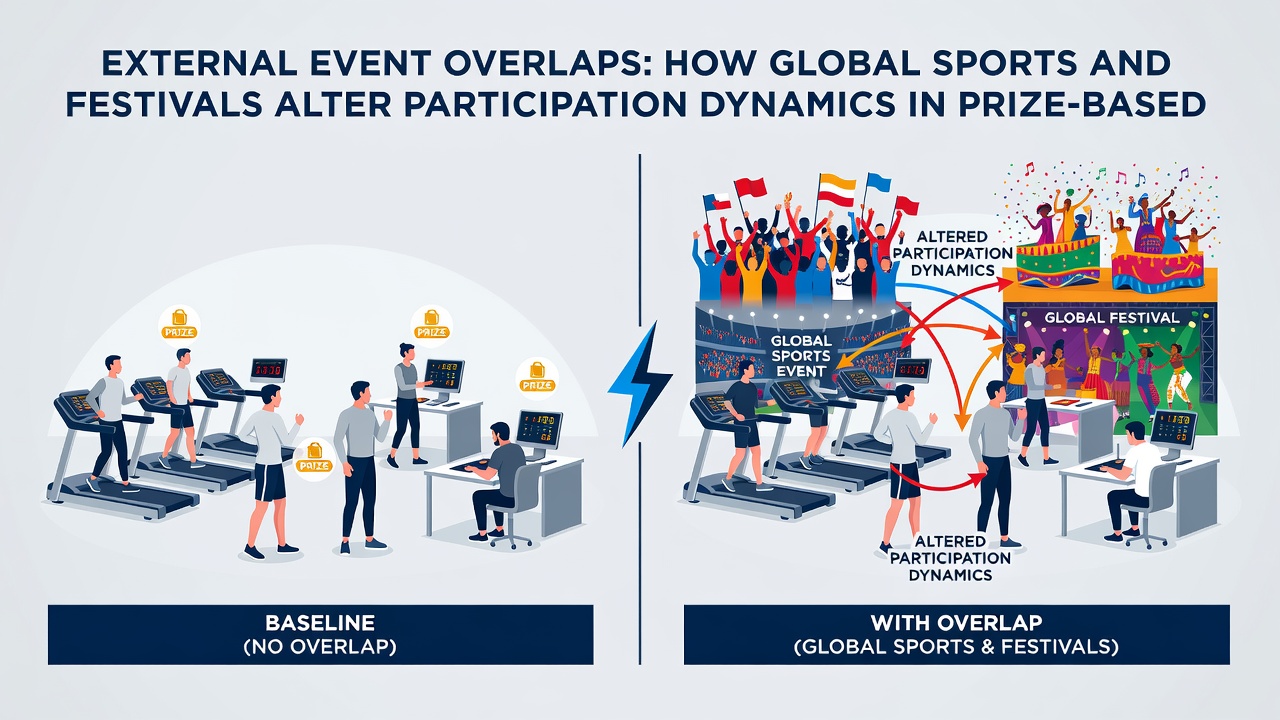
Global sports tournaments and large-scale festivals create measurable shifts in how users interact with prize-based mobile applications, and these overlaps produce distinct participation curves that developers and analysts track closely. During periods when events like the 2026 FIFA World Cup draw massive audiences across North America in June and July, mobile prize platforms record altered entry volumes that diverge from baseline patterns observed in quieter months.Event Timing and Daily Participation Rhythms
Research from industry monitoring services shows that live sports broadcasts often compress user activity into shorter windows, typically before kickoff or during halftime breaks, while festival seasons such as Carnival in Brazil or Diwali celebrations in South Asia extend engagement across multiple time zones because participants join from various regions at staggered hours. Data collected by mobile analytics firms indicate that average session lengths shorten by noticeable margins on match days yet total daily entries can rise when events generate widespread downtime for secondary screen use.
One study released by the Entertainment Software Association highlighted how North American users increased check-ins to contest apps by double-digit percentages during evening game windows in previous tournament cycles, whereas daytime festival periods in Europe produced steadier but lower-intensity entry flows spread across lunch and early evening hours. Observers tracking these rhythms note that time zone differences amplify the effect, creating overlapping peaks when North American and European audiences engage simultaneously with the same platform.
Regional Variations in Entry Behavior
Participation dynamics also diverge by geography because regulatory frameworks and cultural calendars differ. Australian Communications and Media Authority reports document elevated mobile contest entries during major cricket events in the southern hemisphere summer, while similar platforms see reduced activity during prolonged holiday festivals in Southeast Asia when family gatherings take precedence over individual device use. These regional patterns emerge consistently across datasets spanning multiple years.
Figures from academic research at the University of Melbourne further reveal that users in festival-heavy regions tend to form group entry behaviors, sharing alerts through messaging apps rather than acting individually, which produces clustered submission timestamps that contrast with the more dispersed patterns seen during solitary sports viewing. Such clustering alters how platforms manage server loads and notification delivery schedules.
Platform Adjustments and Notification Strategies
Developers respond to these external overlaps by recalibrating push notification timing and contest structures. Platforms often introduce event-themed prize pools timed to coincide with major matches or parade schedules, which data from multiple operators shows can offset typical dips in baseline activity. When such themed rounds align with peak viewing hours, entry rates recover faster than during non-event periods according to internal performance metrics shared in industry briefings.
Those who analyze cross-platform data flows observe that eligibility windows sometimes stretch or contract to accommodate users in different regions whose daily routines shift because of event schedules. This coordination becomes especially relevant when festivals span several consecutive days, requiring systems to maintain consistent qualification rules while user attention fluctuates.
Long-Term Data Patterns Across Multiple Cycles
Longitudinal tracking spanning several tournament and festival seasons demonstrates that repeated exposure to overlapping events trains user habits over time. Participants begin anticipating themed rounds tied to recurring sports calendars, leading to pre-event surges in account logins that appear in aggregated usage statistics released by research firms such as Newzoo. These anticipatory patterns strengthen in markets where both sports and prize platforms maintain high penetration rates.
Meanwhile, festival-driven communities sometimes sustain elevated activity levels for weeks after the main celebrations conclude, as users continue sharing results and entering follow-up rounds that platforms schedule to capitalize on lingering attention. Such extensions appear in monthly activity reports compiled across multiple geographic markets.
Conclusion
External events continue to reshape participation dynamics in prize-based mobile applications through predictable yet regionally distinct mechanisms. Sports tournaments compress activity into concentrated bursts while festivals spread engagement across extended periods and encourage collective behaviors. Platforms adapt notification systems and contest calendars accordingly, and ongoing data collection from regulatory bodies and academic institutions provides the metrics needed to refine these responses for future cycles including the 2026 global sports calendar.