Regional Data Localization Mandates Reshaping Eligibility Protocols in Cross-Border Mobile Reward Systems
Morgan Zimmermann · Jul 30, 2026
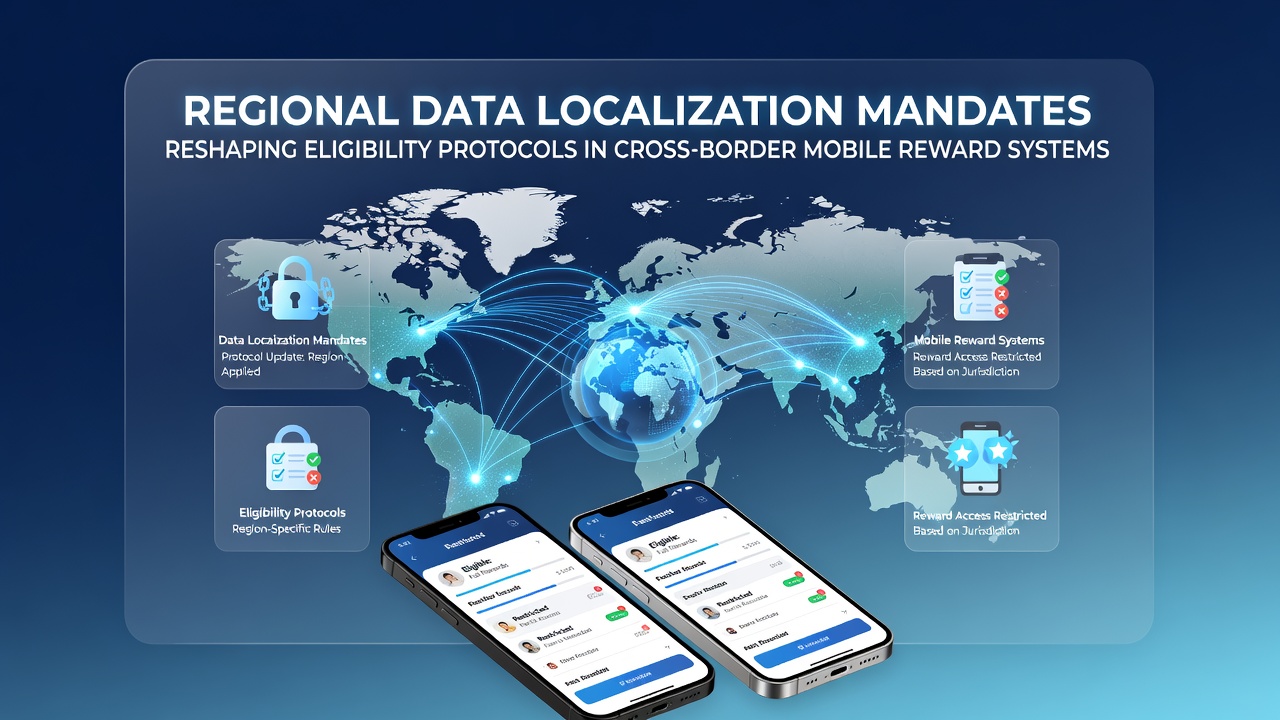
Regional Data Localization Mandates Reshaping Eligibility Protocols in Cross-Border Mobile Reward Systems
Regional data localization mandates have begun to alter how cross-border mobile reward systems verify user eligibility, since many jurisdictions now require personal information to remain stored on servers located inside national borders. These rules intersect with reward platforms that track user locations, participation histories, and demographic details to determine who qualifies for prizes or incentives. Observers note that operators must adjust their data pipelines when a single user session crosses multiple regulatory zones, and this adjustment often delays or fragments the eligibility confirmation process.
Core Elements of Data Localization in Reward Platforms
Mandates typically specify that data collected from residents cannot transfer outside the country without explicit safeguards or approvals, and reward systems that rely on centralized cloud infrastructure face immediate compliance questions. Researchers have documented cases where platforms paused cross-border entries until local storage solutions were implemented, because eligibility checks require access to real-time behavioral data that now must reside domestically. Data from regulatory filings shows that countries in Asia and Europe introduced or strengthened such requirements between 2024 and 2026, creating staggered deadlines that affect global operators differently depending on their server footprint.
Eligibility protocols depend on accurate location signals and user consent records, yet localization forces platforms to replicate verification logic across multiple regional databases. One study released in July 2026 by an international research consortium highlighted that synchronization delays between localized datasets increased average processing times by 18 percent in affected systems. Those who manage mobile reward programs report that they now segment user cohorts by jurisdiction at the point of registration to avoid inadvertent data movement.
Regional Variations and Their Operational Effects
European frameworks emphasize strict transfer restrictions under updated interpretations of existing privacy statutes, and operators must demonstrate that eligibility algorithms run entirely within approved geographic boundaries. European Data Protection Board reports detail how reward platforms have begun deploying edge computing nodes inside member states to keep verification processes compliant. In contrast, certain Asian jurisdictions apply data localization through sector-specific licensing conditions that tie operating permits directly to local storage commitments, resulting in separate eligibility queues for each market.
Australian guidelines similarly require that sensitive personal information used for prize qualification stays onshore unless a limited exception applies, and platforms have responded by establishing mirror databases that feed into a unified decision engine only after local validation occurs. Office of the Australian Information Commissioner guidance clarifies that cross-border reward entries must log the location of every data access event, adding an extra audit layer that many systems previously lacked. These differing approaches mean a single promotional campaign may operate under three or four distinct eligibility rule sets simultaneously.

Technical Adjustments and Verification Workflows
Platforms have introduced modular verification engines that route eligibility queries to the appropriate regional node before any prize allocation occurs, and this architecture reduces the risk of unauthorized data export. Observers note that tokenization of user identifiers allows systems to compare participation patterns without moving raw personal records, although implementation costs rise when multiple localization regimes must be supported. Research indicates that operators who invested early in geo-fenced data lakes experienced fewer entry suspensions during the 2025-2026 compliance wave.
July 2026 brought additional clarification from several regulators on how anonymized analytics may cross borders while still supporting eligibility decisions, and some platforms have since expanded their use of differential privacy techniques. Those who monitor industry metrics report that localized storage has not reduced overall participation volumes but has shifted the timing of daily reward distributions in certain markets. Eligibility windows now sometimes close earlier in jurisdictions with stricter real-time reporting mandates because data must be reconciled locally before results are finalized.
Future Trajectories for Cross-Border Systems
Additional jurisdictions are expected to introduce localization requirements modeled on existing frameworks, which will likely prompt further segmentation of reward platform architectures. Industry reports suggest that collaborative standards for interoperability between regional data environments could emerge, allowing eligibility protocols to function across borders without violating storage rules. Data from pilot programs shows that standardized consent flags and jurisdiction tags embedded at the device level help streamline these multi-region workflows.
Conclusion
Regional data localization mandates continue to drive structural changes in how cross-border mobile reward systems manage eligibility verification, compelling operators to maintain distributed infrastructure and jurisdiction-specific logic. Evidence from regulatory filings and operational adjustments demonstrates that platforms are adapting through localized nodes, segmented databases, and enhanced audit trails. As more regions enact or refine these rules, the architecture of global reward programs will reflect an increasingly fragmented yet interconnected compliance landscape.