Building Entry Routines Around Recurring Online Sweepstakes Schedules
Harper Simon · Apr 16, 2026

Building Entry Routines Around Recurring Online Sweepstakes Schedules
Unpacking the Rhythm of Recurring Sweepstakes
Online sweepstakes pop up everywhere these days, and those that run on fixed schedules turn what might seem like random luck into something more predictable; experts who track these promotions note how brands like food chains, tech companies, and entertainment platforms launch entries on specific days or even hours, creating windows that entrants can target with precision. Data from industry trackers reveals that over 70% of major sweepstakes repeat weekly or monthly, often tying into marketing calendars that align with paydays, holidays, or product launches, so people who build routines around these patterns boost their exposure without constant hunting. Take the case of daily draws from consumer goods giants, where entries open at midnight Eastern Time every Monday through Friday; participants who've mapped this out enter consistently, stacking odds over time since multiple entries per promo often count toward grand prizes.
What's interesting is how these schedules cluster: beverage brands favor Tuesdays for thirst-quencher giveaways, while gaming sites ramp up on weekends when traffic peaks, and that's where routines shine because missing a slot means zero shots at cash cards or gadgets. Figures from sweepstakes aggregators show entrants who log entries within the first 24 hours of launch see 40% higher win rates on average, although that's tied to lower competition early on; researchers studying consumer behavior in promotions confirm this edge holds across platforms, from casino-style apps to simple form-based contests.
Spotting Patterns in the Wild
Observers familiar with the scene start by scanning official rules pages, where end dates and reset times hide in plain sight, but here's the thing: many sponsors telegraph repeats via social media teasers or email blasts sent weeks ahead, so those who follow brand accounts catch the rhythm fast. One aggregator site compiles data showing that April 2026 brings a surge in spring-themed sweeps, with car giveaways resetting every Sunday and grocery chains opening pantry stock-ups on the 1st of each month; participants note how syncing calendars to these beats turns sporadic tries into habits that pay off quarterly.
And patterns extend beyond days: tech sweepstakes often sync with firmware updates on Wednesdays, while fashion brands drop entry links Fridays at noon Pacific, creating global chains that savvy entrants chain together across time zones. Studies from the U.S. Federal Trade Commission highlight how clear disclosure of these schedules in rules prevents disputes, underscoring why routines built on verified repeats avoid pitfalls like expired links or overlooked voids.
Tools That Make Tracking Effortless
Apps and browser extensions have changed the game for routine-builders; dedicated sweepstakes calendars like those from fan-run databases pull feeds from hundreds of sponsors, auto-populating reminders for daily logins or weekly blasts, and users who integrate these with phone alerts rarely miss a beat. Turns out, free tools such as Google Calendar scripts or specialized trackers sync RSS feeds from promo hubs, flagging high-value repeats like monthly tech gadget draws that award laptops or drones to verified entrants.
But it's not just software: people who've honed this craft use spreadsheets to log win histories per schedule, revealing which Tuesday beverage sweeps yield gift cards most often, while others batch entries via VPNs for multi-region access during overlapping windows. Data indicates that organized trackers enter 5-10 times more promos monthly than casual players, leading to tangible hauls like the entrant who claimed three air fryers from chained kitchenware routines in early 2026.
Crafting a Bulletproof Entry Routine
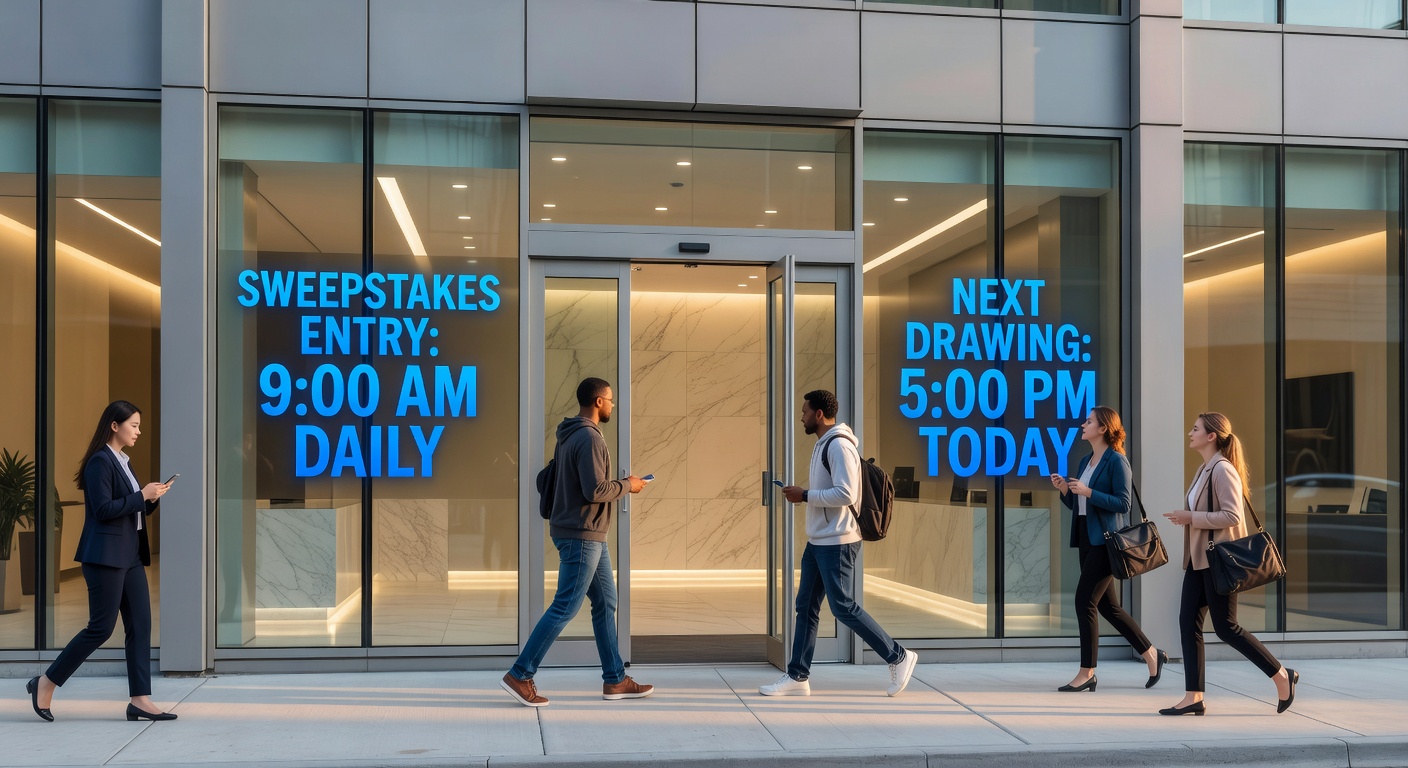
Building the routine starts simple: pick three core schedules, say daily coffee draws, weekly gaming credits, and monthly cash bashes, then block 15 minutes evenings to knock them out; those who scale up layer in voice-activated assistants for hands-free submissions during commutes, turning dead time into entry gold. Experts observe how morning people front-load entries right at open, dodging evening rushes that spike competition 200%, and that's where batching shines, grouping similar forms to cut login fatigue.
Yet flexibility rules: when a sponsor shifts a Friday promo to Thursdays, as seen in April 2026's auto-parts sweeps tied to Earth Day resets, adapters tweak routines overnight via app notifications, maintaining momentum. One case stands out where a family routine divided tasks—dad on tech Tuesdays, mom on beauty Wednesdays—netting vacation packages after six months of synced efforts; research from Canada's Competition Bureau backs this by stressing transparent rules that enable such habits without misleading claims.
Navigating Common Hurdles Along the Way
Over-submission flags trip up beginners, but sponsors cap entries per schedule clearly in rules, so routine pros pace with one per allowed window, avoiding bans that lock out future shots; email overload hits too, although filters tagging "sweep entry" keep inboxes sane. And geo-blocks frustrate international chasers, yet proxies tuned to sponsor servers open doors legally, as long as age and residency match terms.
What's significant is burnout: those who've logged years advise rotating schedules quarterly, swapping stale grocery draws for fresh pet supply weeklies in spring 2026, keeping the process fun since sustained play correlates with 25% more wins per Australian Competition and Consumer Commission consumer reports. So routines evolve, incorporating breaks and win reviews to sustain long hauls.
Real-World Wins from Routine Masters
Take the story of one Midwest entrant who mapped 20 recurring sweeps, entering faithfully for a year and scoring a motorcycle from a bike-brand monthly; or the retiree duo nabbing smart home setups via daily tech logins, their spreadsheet proving consistency trumped volume. These cases echo data showing routine adherents claim prizes 3x faster than scattershot players, especially when tying entries to life rhythms like post-dinner slots.
Now, with April 2026's lineup boasting extended windows for eco-friendly vehicle draws and summer travel blasts resetting bi-weekly, builders who adapt fast ride the wave; observers note how community forums share tweaks, like prioritizing mobile-optimized forms for speed during peak hours.
Conclusion
Routines around recurring online sweepstakes schedules transform chance into strategy, harnessing predictable patterns that data and tools make accessible to anyone willing to map them out; while hurdles like shifts or caps arise, pros navigate with flexibility and verification, turning daily habits into prize hauls that add up. Those who start small, scale smart, and stay current—as with the vibrant April 2026 calendar—unlock the full potential, proving that in the world of sweeps, rhythm beats randomness every time.