Algorithmic Selection Processes in Large-Scale Digital Giveaway Platforms
Harper Simon · Aug 3, 2026
Algorithmic Selection Processes in Large-Scale Digital Giveaway Platforms
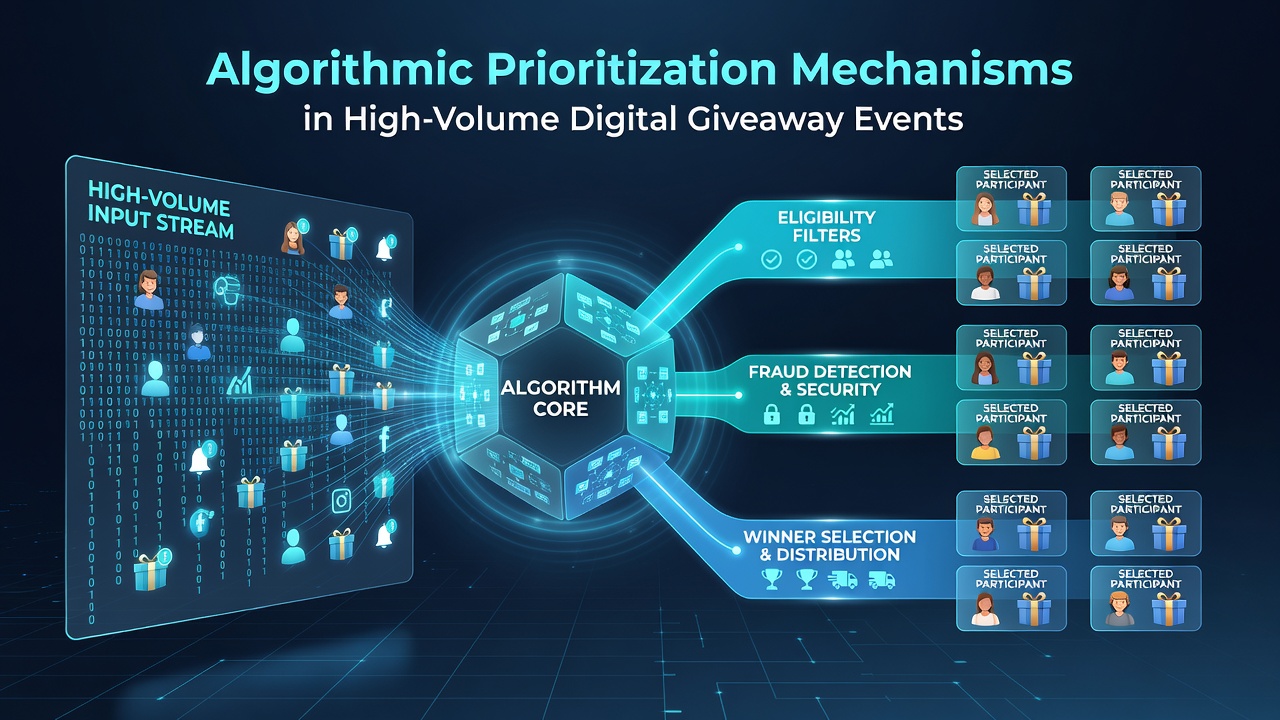
High-volume digital giveaway events rely on algorithmic prioritization mechanisms to manage thousands of entries arriving within tight time windows, and these systems sort participants based on factors such as entry timestamps, account verification status, and behavioral patterns recorded across sessions. Platforms process incoming data streams through layered scoring models that assign weights to each submission, allowing the software to rank candidates before final selections occur. In August 2026, several major platforms reported handling over 500,000 simultaneous entries during peak promotional windows, which highlighted the need for efficient sorting routines that prevent overload on backend servers.
Core Components of Prioritization Models
Selection algorithms begin by collecting metadata from each entry, including device identifiers, IP geolocation, and previous participation history, then feed this information into decision trees that evaluate eligibility against predefined rules. Researchers at various academic institutions have documented how these models incorporate real-time adjustments, such as boosting scores for users who complete additional verification steps or engage with linked promotional content. Data flows through multiple stages where initial filters remove duplicates and invalid submissions, after which remaining entries receive priority scores calculated from weighted variables like submission speed and consistency with past activity.
Key Variables in Scoring Systems
- Timestamp precision measured in milliseconds to break ties among near-simultaneous entries
- Account age and verification level that indicate established user profiles
- Engagement metrics drawn from clicks, shares, and form completions within the event window
- Geographic distribution rules that ensure representation across regions during global campaigns
These elements combine through mathematical functions that platforms adjust periodically based on volume forecasts, and observers note that adjustments often occur when entry counts exceed projected thresholds during events like summer product launches.
Data Handling and Queue Management
Systems route entries into priority queues segmented by category, such as mobile versus desktop submissions, which allows parallel processing threads to handle different traffic types without interference. According to reports from the Australian Competition and Consumer Commission, platforms must maintain transparent logs of these queues to demonstrate compliance with consumer protection standards during high-traffic periods. The queues operate on first-in-first-out principles modified by score multipliers, so an entry with higher verification marks advances ahead of others even if it arrived slightly later. In practice, this creates dynamic reordering that continues until the selection cutoff time, and software monitors queue depths to trigger load balancing when thresholds are reached.
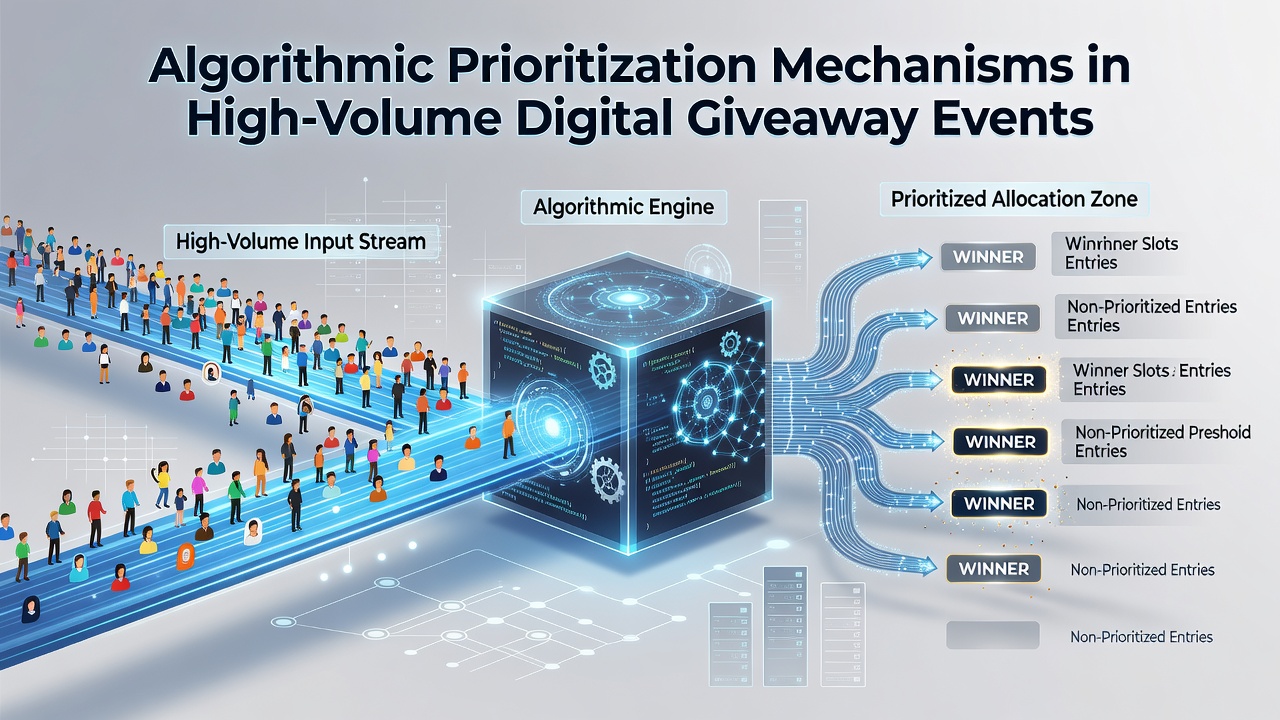
Integration with notification services occurs after initial ranking completes, sending alerts to selected participants while maintaining records for audit purposes. Those who study these systems find that cross-platform data synchronization plays a central role, especially when giveaways span multiple apps or websites that share user databases. Evidence from industry analyses shows synchronization delays can shift priority positions if entries arrive during peak synchronization cycles, prompting developers to implement buffering mechanisms that stabilize ordering.
Regulatory and Compliance Considerations
Authorities in different regions require documentation of prioritization logic to prevent discrimination or unfair advantage, and the Federal Trade Commission in the United States has issued guidelines on disclosure of algorithmic factors that influence winner selection. Platforms operating across borders also align with directives from the European Commission on digital services, which emphasize auditability of automated decision processes. These requirements lead companies to publish summaries of their scoring methodologies, though full code remains proprietary. Figures from regulatory filings reveal that audits in 2025 and early 2026 focused on timestamp accuracy and geographic fairness, resulting in updated logging protocols at several large operators.
Examples from Recent Campaigns
One documented case involved a global electronics brand that used time-zone adjusted scoring to balance entries from North America, Europe, and Asia during a 24-hour event, and the approach distributed prizes proportionally according to regional entry volumes. Another instance saw a gaming platform apply engagement-based multipliers after initial timestamp sorting, which rewarded users who interacted with in-app tutorials before submitting entries. Observers tracking these patterns report that such layered approaches reduce server strain while maintaining perceived fairness among participants.
Conclusion
Algorithmic prioritization mechanisms continue to evolve as entry volumes grow and regulatory expectations increase, with platforms refining scoring variables and queue structures to handle future events efficiently. Data from ongoing implementations indicate that balanced systems improve processing speed without compromising selection integrity, and continued monitoring by oversight bodies supports consistent application across diverse giveaway formats.